Content Author-Humphries Tobiasen
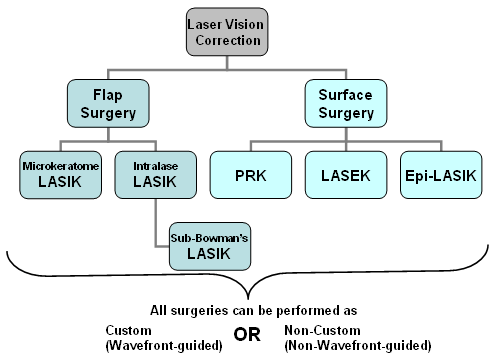
If you're taking into consideration vision improvement options, PRK eye surgical treatment could be on your radar. It's created to improve the cornea, helping with astigmatism, nearsightedness, and farsightedness. Unlike LASIK, PRK avoids the corneal flap, making it a feasible selection for those with thinner corneas. But is it the right fit for you? Allow's discover how PRK works, its advantages over LASIK, and what threats you should recognize.
How PRK Surgical Procedure Corrects Astigmatism, Nearsightedness, and Farsightedness
PRK surgical treatment effectively fixes astigmatism, nearsightedness, and farsightedness by reshaping the cornea.
During the treatment, your eye cosmetic surgeon makes use of a laser to get rid of a slim layer of corneal tissue, allowing light to concentrate appropriately on your retina. This adjustment changes the curvature of your cornea, resolving the particular refractive error you have.
If you're nearsighted, the laser squashes your cornea; if you're farsighted, it steepens it; and for astigmatism, it smooths out abnormalities.
After surgery, your vision normally improves as your eyes recover, though recovery might take longer than with LASIK.
PRK's efficiency makes it a viable choice for those seeking clearness in their vision without glasses or calls.
Perks of Finding PRK Over LASIK for Vision Modification
While many people consider LASIK for vision correction, opting for PRK can provide special advantages that make it an engaging option.
Among the standout benefits is that PRK doesn't entail cutting a corneal flap, which reduces the danger of difficulties related to flap-related problems. This makes PRK specifically ideal for individuals with thinner corneas.
In addition, PRK has a tested track record for dealing with higher levels of astigmatism and is effective for those with completely dry eyes, as it preserves a lot more corneal nerves.
The healing procedure can be a bit much longer, yet lots of discover that the outcomes deserve the delay.
Ultimately, choosing PRK can offer you with steady, lasting vision adjustment customized to your specific requirements.
Exist Threats or Drawbacks to PRK Eye Surgical Treatment?
What should you know about the risks or disadvantages of PRK eye surgery? While PRK can properly deal with vision, it is essential to be aware of possible difficulties.
https://docs.google.com/drawings/d/1qK1rbFzkY_dH5JoWwecNxUGCKe-AsMv8cPrMZ4WrlBs/edit?usp=drive_link could experience pain, including burning or itchiness, during the preliminary healing phase. This pain commonly subsides, but some people report prolonged level of sensitivity to light.
Furthermore, there's an opportunity of under-correction or over-correction, which can demand additional treatments.
Vision healing might take longer than with LASIK, sometimes a number of weeks. https://www.health.harvard.edu/diseases-and-conditions/considering-cataract-surgery-what-you-should-know might also face a greater risk of haze development, especially if you have a background of dry eyes.
Always consult your eye care professional to discuss these threats and determine if PRK is the right alternative for you.
Verdict
To conclude, PRK eye surgical procedure can properly remedy astigmatism, nearsightedness, and farsightedness by reshaping your cornea. It offers unique benefits over LASIK, specifically for those with thinner corneas. While recovery takes longer and might involve some pain, the possibility for steady, lasting vision makes it a beneficial consideration. Constantly seek advice from your eye care specialist to identify if PRK is the appropriate selection for your vision requires. Take the first step in the direction of more clear sight today!